
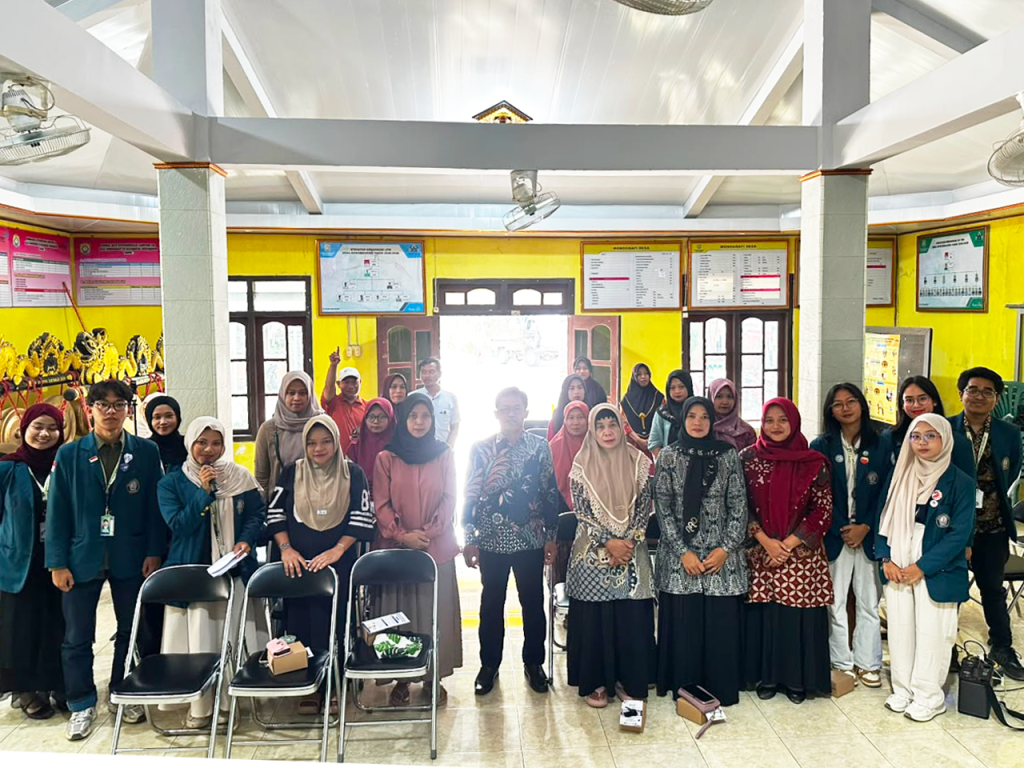
Ringinarum (4/8) – Dyah Puti Anggini, a student of the Information and Public Relations Study Program at Universitas Diponegoro (UNDIP), contributed to the multidisciplinary Community Service Program (KKN) Team II UNDIP through an educational session on MSME digitalization and digital security for local business owners in Rowobranten Village, Ringinarum District, Kendal Regency. The activity was part of the program “Empowering MSMEs through Digital Transformation and Technology-Based Marketing Optimization in Rowobranten Village,” which aims to encourage MSME owners to utilize technology to develop their businesses while becoming more aware of potential threats in the digital environment.
As an Information and Public Relations student, Dyah provided education on the importance of digitalization for MSMEs, particularly in supporting marketing, transactions, and business management. Participants were also introduced to various forms of cybercrime that may target MSME owners, including phishing, fraudulent links, digital scams, personal data theft, and messages impersonating certain individuals or institutions.
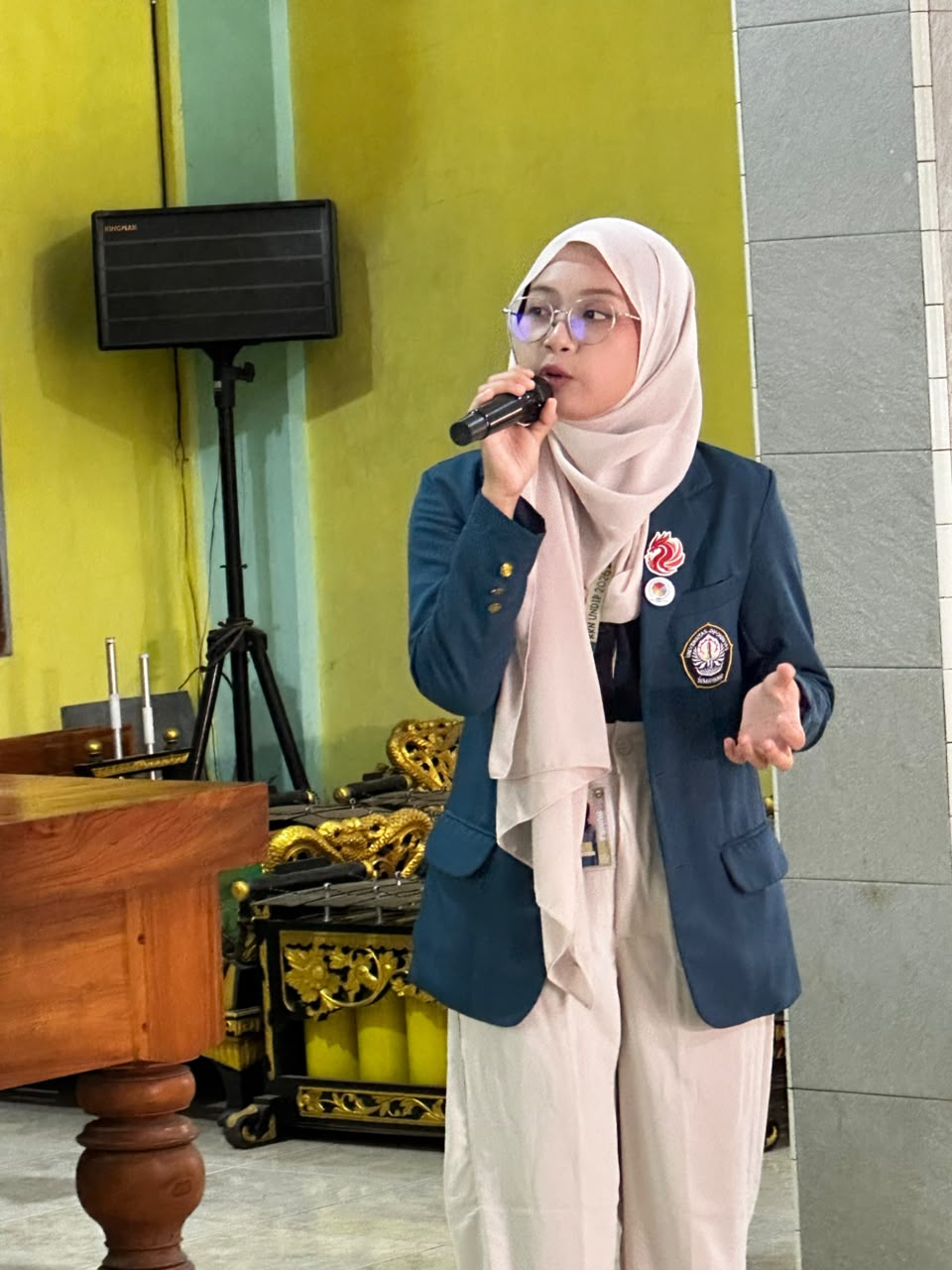
During the session, Dyah introduced the “STOP–CHECK–CONFIRM” method as a simple approach to dealing with suspicious information or messages. Participants were encouraged to STOP, meaning they should not immediately trust or act upon unverified information; CHECK the source and accuracy of the information; and CONFIRM its validity through official parties or contact channels before taking further action. Participants were also reminded not to share personal information or OTP codes with others and to avoid opening links from unknown sources.
The educational materials were also supported by a collaborative leaflet developed by students from the Information and Public Relations, Psychology, and Dentistry Study Programs. The leaflet integrates materials from the three academic disciplines to support MSME empowerment. The section developed from the Information and Public Relations perspective contains information on “Digital Safety for MSMEs,” the benefits of digitalization, and the “STOP–CHECK–CONFIRM” guidelines. The leaflet is also equipped with a QR Code that provides access to an educational video, allowing participants to review the materials independently after the session.
The educational session was part of a broader multidisciplinary program that also included the creation of QRIS (Quick Response Code Indonesian Standard), registration of previously unlisted MSMEs on Google Maps through Google Business Profile, and the development of an MSME profile book for Rowobranten Village. The implementation of QRIS is expected to provide a practical alternative for digital payments, while listing businesses on Google Maps can increase their visibility and make it easier for customers to locate them. The MSME profile book also serves as a means of documenting and introducing the potential of local businesses in Rowobranten Village. Through these activities, MSME digital transformation is not only focused on the ability to use technology but also on using it safely and responsibly. Digital security literacy is essential to ensure that the convenience offered by technology does not instead expose business owners to cybercrime.
The program also contributes to the achievement of the Sustainable Development Goals (SDGs), particularly SDG 4 – Quality Education, through improving digital literacy; SDG 8 – Decent Work and Economic Growth, through strengthening MSME capacity and competitiveness; and SDG 9 – Industry, Innovation and Infrastructure, through the utilization of digital technology in business development. Through collaboration between students from different disciplines and the local community, this activity is expected to encourage MSME owners in Rowobranten Village to become more adaptive to technological developments, expand their business reach, and develop greater awareness of the importance of protecting their data and digital transactions.